

The Genuine Medical Wins Are Real
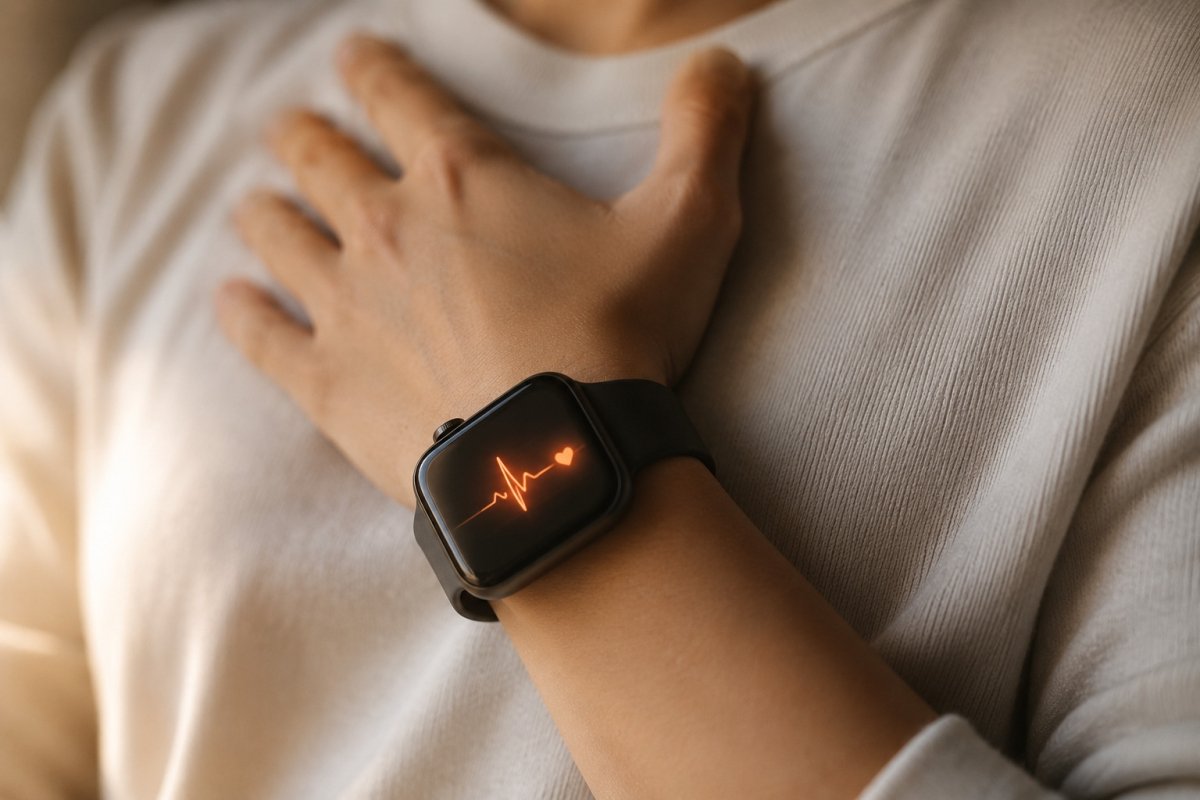
Consumer wearables have moved well beyond step counting into genuinely clinical territory. Smartwatch-based atrial fibrillation detection has been validated in large-scale studies and has led to real, documented early interventions for people who had no idea they had an irregular heart rhythm. Continuous glucose monitors, once exclusively medical-grade devices, are increasingly available as consumer products that give people with and without diabetes detailed insight into how specific foods and activities affect their blood sugar in real time. Sleep tracking, whatever its accuracy limitations, has genuinely helped many users identify patterns - inconsistent bedtimes, alcohol's effect on sleep quality - they wouldn't otherwise have connected.
Where the Accuracy Actually Stands
It's worth being honest about the limitations too. Consumer wearables are generally reasonably accurate for heart rate and step counting, but far less reliable for metrics like sleep staging (light versus deep versus REM sleep) and calorie burn estimates, which can vary substantially from validated clinical measurement in independent testing. This matters because a device presenting an imprecise estimate with the same visual confidence as a precise one can lead users to treat rough approximations as diagnostic-grade data, when they're better understood as a general trend indicator.
The Anxiety Problem Is Also Real
A documented and growing concern among sleep and mental health researchers is "orthosomnia" - anxiety specifically about sleep tracking data, where the pursuit of a "perfect" sleep score becomes a source of stress that itself disrupts sleep, creating a feedback loop where the tracking device causes the very problem it was meant to monitor. Similar patterns have been observed with heart rate variability and "recovery score" metrics increasingly common in fitness-focused wearables - some users report checking these scores compulsively and altering plans, workouts, or mood based on a single number that may reflect measurement noise as much as genuine physiological change.
Who Benefits Most, and Who Should Be Cautious
The clearest, most consistent benefit shows up in people managing a specific, defined health condition - heart arrhythmia risk, diabetes, recovery from injury - where continuous data genuinely changes clinical decisions and catches problems earlier than periodic checkups would. The picture is more mixed for healthy users tracking wellness metrics without a specific condition in mind, where the evidence for meaningful behaviour change from tracking alone is considerably weaker than marketing tends to suggest, and where a pre-existing tendency toward health anxiety or disordered exercise patterns can be measurably worsened by constant, granular self-monitoring.
Getting the Balance Right
For most people, wearables work best used as an occasional check-in tool rather than a constant companion - reviewing weekly trends rather than obsessing over daily fluctuations, and treating any single day's "low" score as noise rather than a verdict on your health. If checking your device's health metrics is generating more anxiety than insight, or changing your daily choices in ways that don't feel healthy, that's a reasonable signal to dial back the frequency of checking, turn off score-based notifications specifically, or in some cases, to discuss the pattern with a doctor, particularly if it's connected to broader anxiety about health or body image.