
A Number Worth Sitting With
The average person worldwide now spends roughly six hours and forty-five minutes a day on screens - up steadily over the past decade and back to levels last seen during pandemic lockdowns, except this time by choice rather than necessity. In the United States, that figure runs slightly higher, around seven hours a day. For a meaningful share of that time - the doomscrolling share - people report actively wanting to stop and being unable to. A 2025 survey found 53% of Americans say they actively want to spend less time on their phones, a sharp rise from just a couple of years earlier, suggesting the desire to cut back is now mainstream even as the behaviour hasn't budged.
What "Doomscrolling" Actually Is
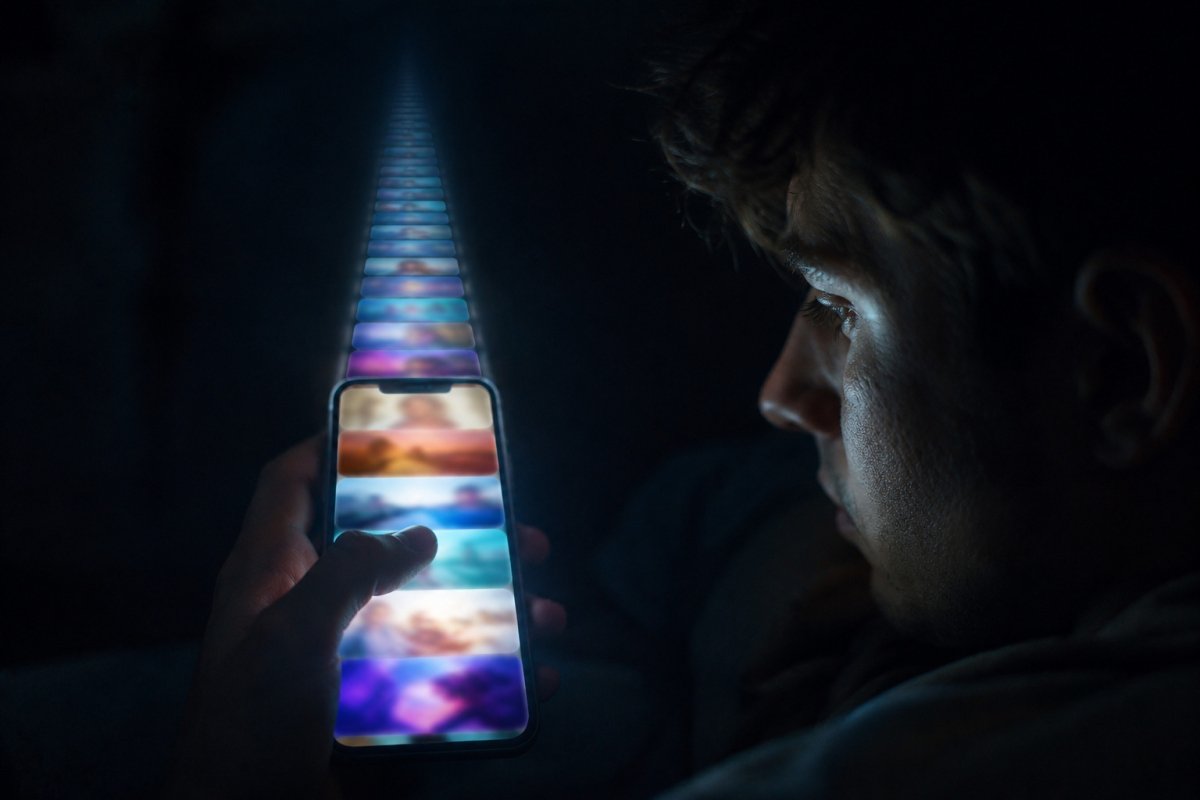
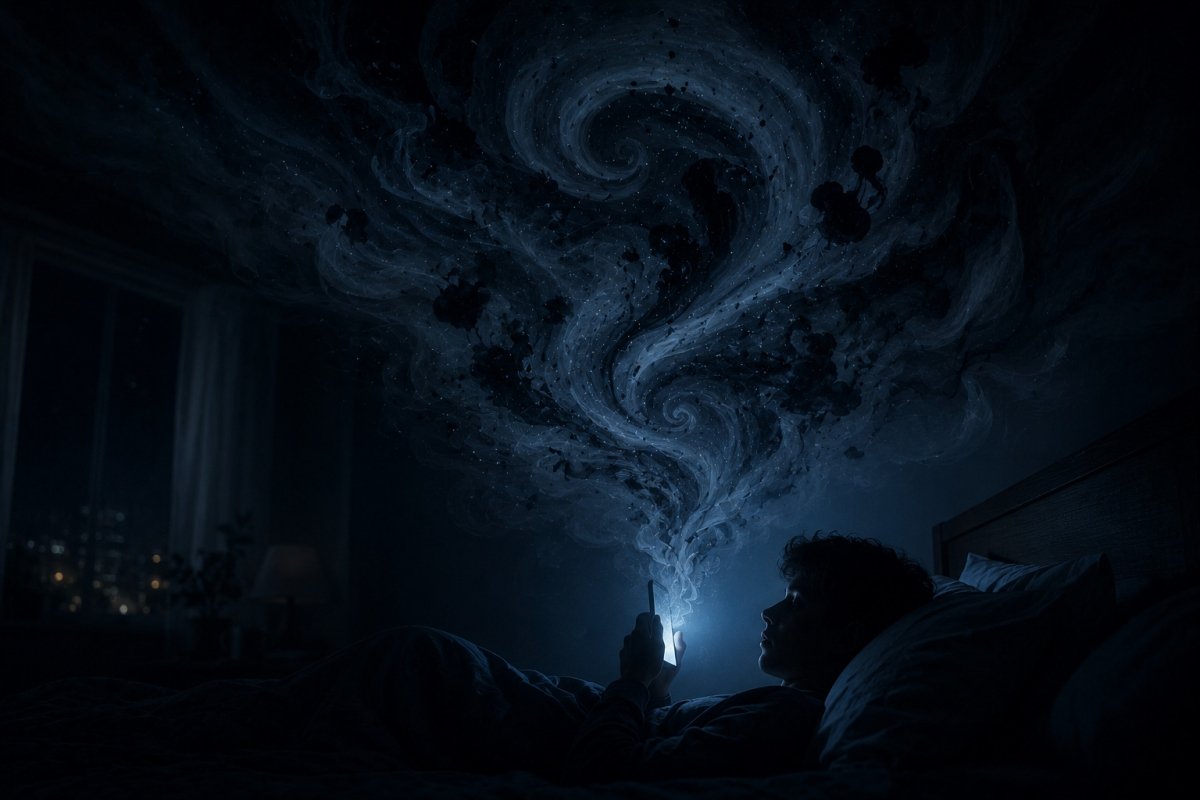
Doomscrolling specifically describes the compulsive consumption of negative news - disasters, conflict, tragedy - well past the point of being informed and into a state that leaves people more anxious rather than better prepared. It isn't the same as staying informed; it's a specific pattern where checking becomes reflexive rather than intentional, often triggered by a single alert or headline and continuing for far longer than the person intended when they picked up their phone.
Why Bad News Is So Hard to Look Away From
Human attention evolved to prioritise threats - noticing danger quickly was, for most of human history, more useful for survival than noticing good news. Social platforms' ranking systems, tuned to maximise engagement rather than wellbeing, have effectively industrialised that instinct: content that provokes fear, anger, or anxiety reliably generates more clicks, comments, and shares than calm, measured reporting, so it gets algorithmically amplified regardless of whether that outcome was anyone's explicit intention. The result is a feed that, left unchecked, skews toward whatever keeps you scrolling rather than whatever best informs you.
What the Research Actually Shows
The evidence on harm is more nuanced than headlines suggest. A large 2025 meta-analysis covering dozens of longitudinal studies found that under two hours of daily recreational screen time showed no significant association with negative mental health outcomes in adults. The picture becomes genuinely mixed in the two-to-four-hour range and clearer at higher levels - heavy users, particularly those exceeding six to seven hours a day, report meaningfully higher anxiety levels, alongside disrupted sleep from checking a phone late at night. The honest conclusion is that screen time itself isn't automatically harmful; the compulsive, anxiety-driven pattern specific to doomscrolling is the part worth addressing, not screens in general.
Breaking the Cycle Without Overcorrecting
What actually helps tends to target the compulsive trigger rather than screens wholesale: turning off breaking-news push notifications so checking becomes a choice rather than a reflex, setting a specific time of day for news rather than checking continuously, and consciously choosing one or two reliable sources instead of an algorithmically curated feed that has no natural stopping point. Simply naming the pattern - "I'm doomscrolling right now, not staying informed" - is often enough to interrupt it, since the behaviour thrives on being automatic and unnoticed rather than deliberate.