
The Phone That Had to Prove Itself
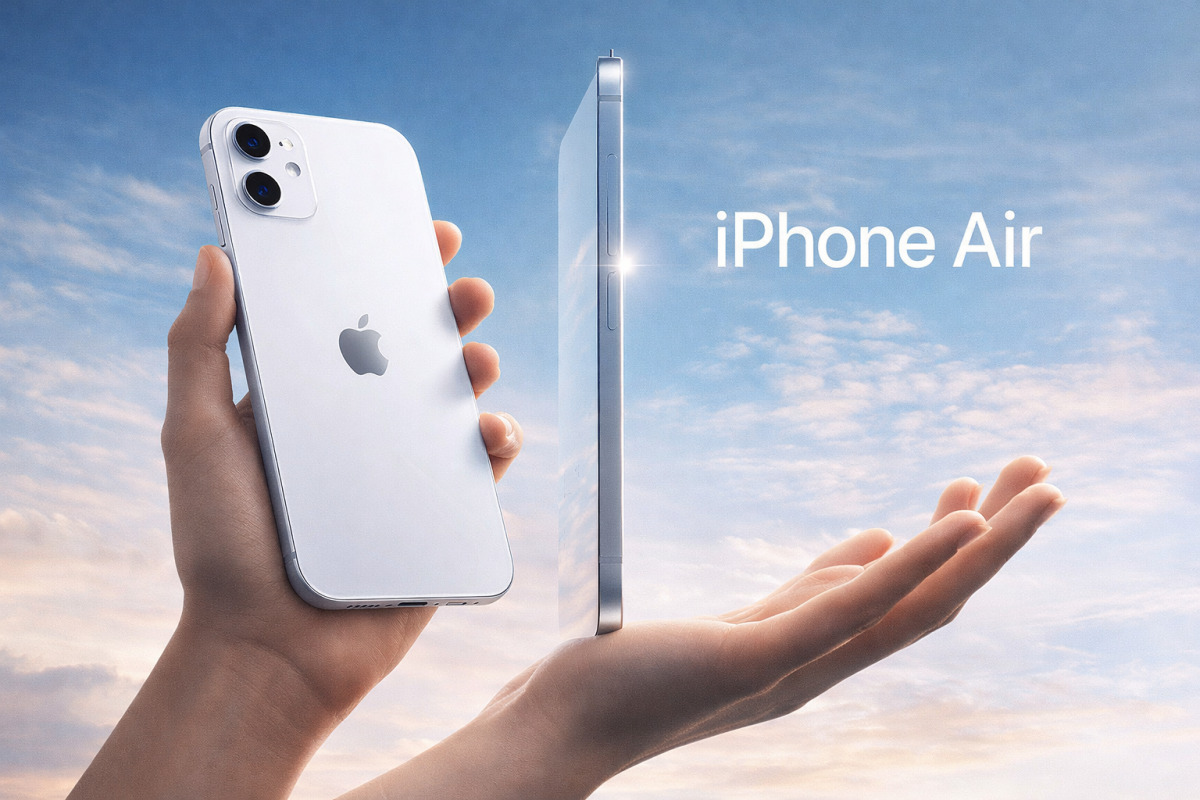
The iPhone Air launched on September 19, 2025 alongside the iPhone 17, iPhone 17 Pro, and 17 Pro Max - four models instead of the usual three, with the Air replacing the Plus in the lineup. At $999, it sits between the standard iPhone 17 ($799) and the Pro ($1,099), occupying a design-premium tier rather than a performance-premium one. The bet Apple made: that a meaningful segment of buyers would pay more for a dramatically thinner, lighter device even if it meant accepting one camera instead of three and a smaller battery.
Six months in, that bet looks well-calibrated. The iPhone Air is 5.6mm thick - the thinnest iPhone Apple has ever made, and among the thinnest smartphones from any manufacturer. The titanium chassis gives it a rigidity and premium feel that its weight (171g) does not suggest. In daily use, it is simply the most comfortable phone I have carried. One-handed use, which has become awkward on most flagship smartphones, feels natural again.
What You Get - and What You Give Up
The iPhone Air is powered by the A19 Pro - the same chip as the iPhone 17 Pro - giving it the same computational performance as Apple's best. The 6.5-inch OLED display runs at 120Hz and is among the best mobile displays on any device. Apple Intelligence features are fully present: Visual Intelligence, the improved Siri, offline live translation, and AI-powered camera processing all work exactly as they do on the Pro models.
The trade-off is the camera system. The Air has a single 48MP rear camera - no ultra-wide, no telephoto. For most photography, this is not the limitation it sounds: the 48MP sensor is excellent, computational zoom is genuinely useful to 2x, and the new Center Stage front camera with its square sensor is a meaningful improvement over previous iPhones. But if you regularly shoot architecture, landscapes, or anything that benefits from optical zoom, the limitation is real. That is the honest cost of the 5.6mm chassis.
Battery Life: Better Than Expected
Pre-launch, battery life was the headline concern. The Air uses a silicon-anode battery that packs more energy into a smaller cell than standard lithium-ion, and the A19 Pro's efficiency means the device consumes less power per task than its predecessors. In practice, moderate usage (3–4 hours screen-on, calls, some browsing) comfortably reaches end of day. Heavy use - long video calls, extended navigation, sustained gaming - pushes toward 70–80% battery by evening. Apple's MagSafe Battery accessory ($99) handles the heavy-use case for those who need it.
Six Months Later: Who Is This Phone For?
The iPhone Air is the right choice if you want the best iPhone experience in the most comfortable form factor - and you're not a power photographer. It delivers Pro chip performance, an excellent display, and the full Apple Intelligence feature set, in a device that feels genuinely different to hold. If camera versatility is a priority, the Pro is the better answer. For everyone else, the Air is arguably Apple's most thoughtfully designed iPhone in years.