
A Recognised Medical Condition, Not Just a Habit
Gaming disorder has been a formally recognised condition in the World Health Organization's ICD-11 classification since 2018, defined not by hours played but by a specific pattern: impaired control over gaming, prioritising it over other life activities and responsibilities, and continuing to escalate despite negative consequences - for at least twelve months, in most diagnostic frameworks. Pooled global estimates put prevalence at around 3% of the population, translating to roughly 60 million people, though estimates vary considerably by study methodology, ranging from under 2% in the most conservative studies to well over 8% in broader ones.
Why Young People Are Disproportionately Affected
The pattern that shows up most consistently across research is age: prevalence among adolescents aged 12 to 18 runs several times higher than among adults, with some studies putting youth rates as high as 8.5%, dropping off sharply after age 35 to around 1%. Males are affected at roughly two to three times the rate of females across nearly every region and age group studied. This isn't simply about how much time is available to play - adolescent brains are still developing the impulse control and long-term reward weighing that make it easier for adults to self-regulate, which is exactly why gaming disorder rates concentrate so heavily in the teenage and young-adult years.
What Makes Modern Games Especially Sticky
Today's most popular games are frequently designed as live, ongoing services rather than products with a defined ending - daily login rewards, time-limited events, battle passes with expiring progress, and social features that make logging off feel like missing out on something happening with friends in real time. None of this is accidental; these mechanics are extensively tested for player retention, similar in spirit to the engagement-optimised design patterns used across social media. The difference with gaming is that many of these systems are also directly monetised, adding a financial incentive layered on top of the attention incentive.
What It Looks Like in Practice
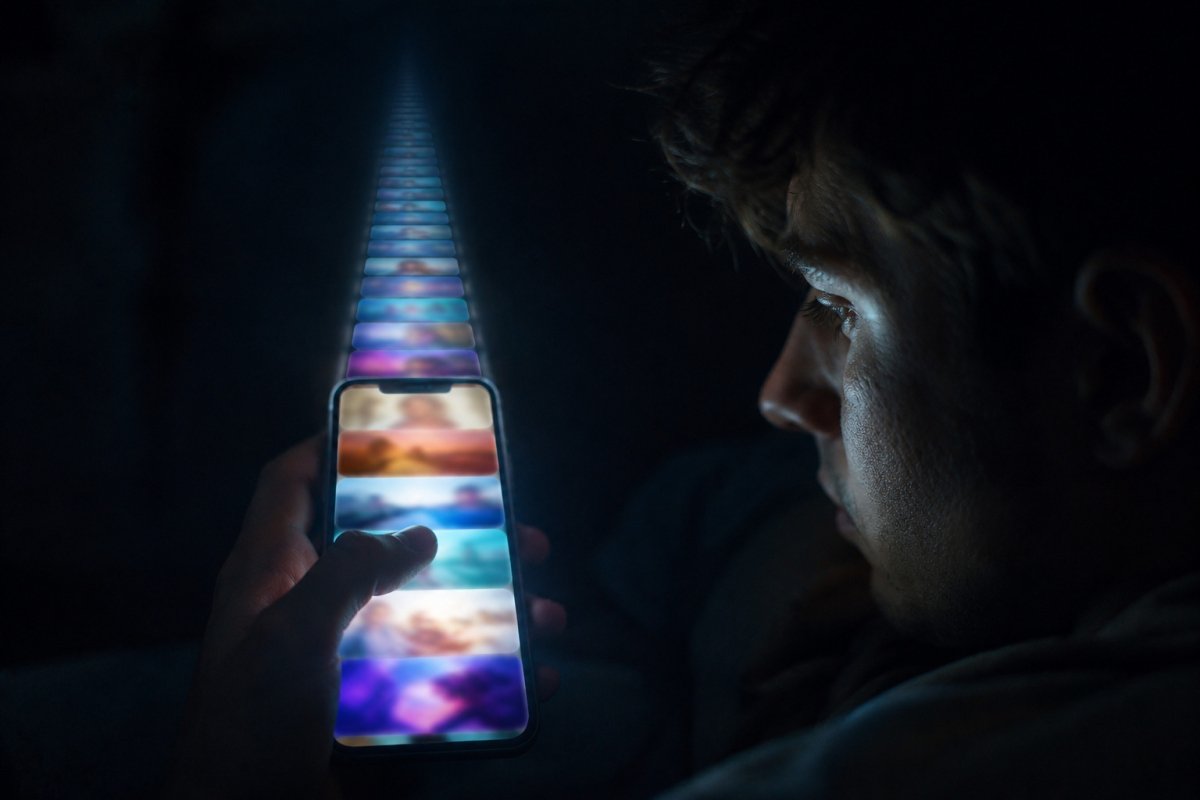
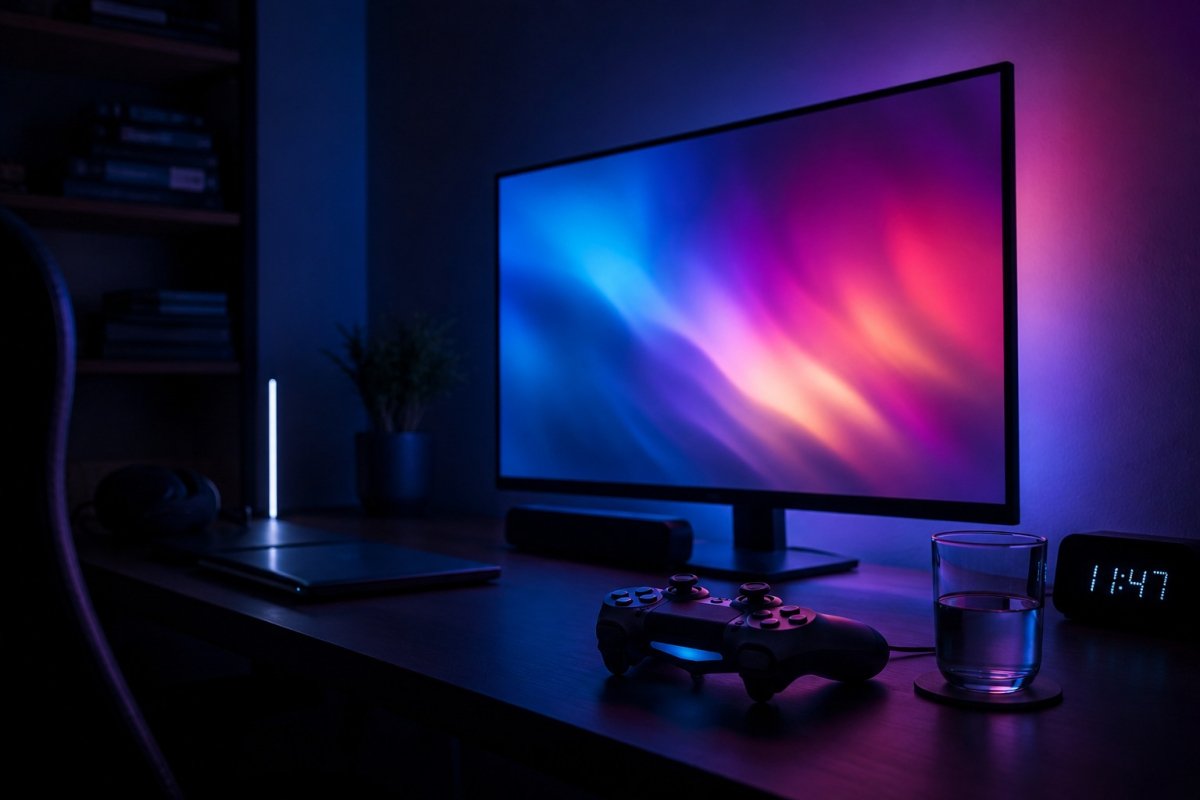
Problematic gaming rarely looks dramatic from the outside at first. It typically shows up as declining performance at school or work, withdrawal from in-person relationships and previously enjoyed activities, disrupted sleep from late-night sessions, and using gaming specifically as an escape from difficult emotions rather than as one hobby among several. Research has found meaningful correlations between gaming disorder and depression, though the relationship runs in both directions - gaming can be both a symptom of an underlying difficulty and something that deepens it once it becomes the primary coping mechanism.
What Actually Helps
For families, the interventions that work best tend to focus on structure rather than prohibition - agreed screen-time boundaries built collaboratively rather than imposed unilaterally, ensuring other sources of social connection and achievement exist outside gaming, and treating a sudden, sharp change in mood or behaviour around gaming as worth a conversation rather than ignoring it. For anyone who recognises the pattern in themselves and feels genuinely unable to control it despite wanting to, this is a legitimate area to raise with a doctor or therapist rather than something to manage through willpower alone - gaming disorder is a recognised condition with recognised treatment approaches, not a personal failing.