
What Blue Light Actually Does
Blue light - the wavelength emitted disproportionately by phone, tablet, and computer screens - genuinely does suppress the body's production of melatonin, the hormone that signals it's time to sleep, more than warmer, longer wavelengths of light do. This isn't disputed; it's well-established sleep science. Where the popular narrative overstates the science is in treating blue light as the dominant, or even primary, reason screens disrupt sleep - the research suggests it's a real but relatively modest contributor compared to other factors bundled into the same late-night phone habit.
The Bigger Culprit: What You're Actually Doing, Not the Light Itself
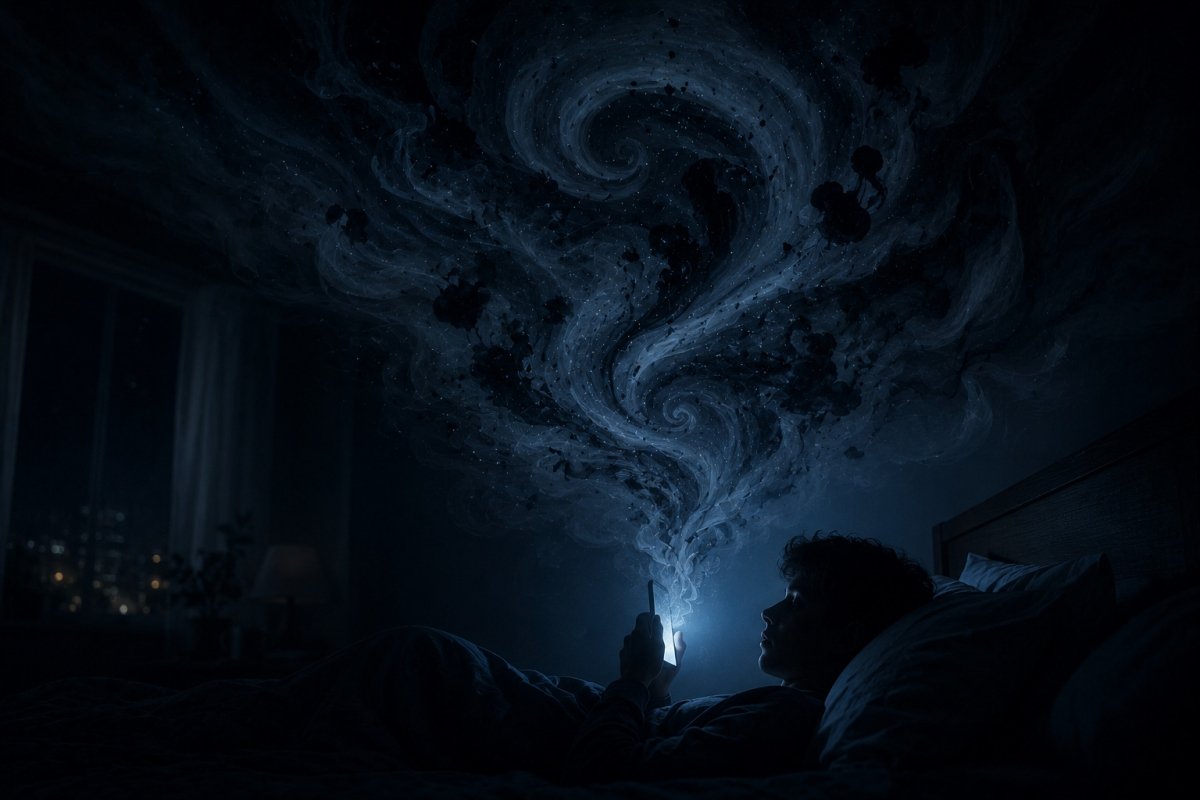
Sleep researchers increasingly point to the content and behaviour of night-time phone use as a larger factor than the light wavelength alone. Scrolling social media, checking news, or engaging with emotionally stimulating content activates cognitive and emotional arousal - exactly the opposite of the physiological wind-down needed for sleep onset - regardless of the light's colour temperature. A stressful news story or an anxiety-inducing social media post read at 11pm keeps the mind active in a way that has little to do with blue light specifically and everything to do with what the content is doing to your stress response.
Why Blue-Light-Blocking Products Only Address Part of the Problem
This distinction matters practically: blue-light filters, night mode settings, and blue-light-blocking glasses - now a substantial consumer product category - address the light wavelength but do nothing about the arousal caused by engaging content, the delayed bedtime caused by "just one more scroll" turning into forty-five minutes, or the simple fact that checking a phone in bed is itself a learned habit strongly associated with difficulty falling asleep, independent of what's being viewed. Research comparing blue-light-filtered screen use to genuinely screen-free wind-down time has generally found the screen-free condition produces meaningfully better sleep outcomes, suggesting the filters alone are an incomplete fix.
The "Just One More Scroll" Problem Specifically
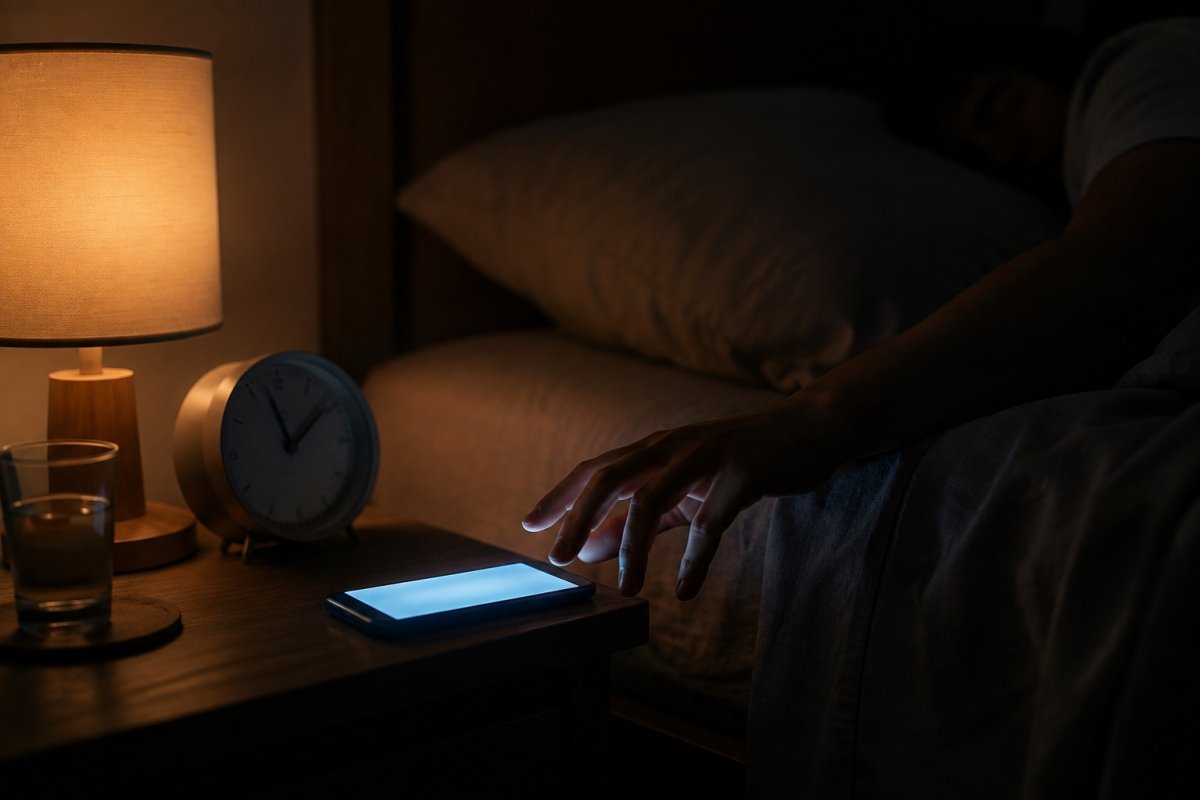
Beyond the physiological effects, there's a well-documented behavioural pattern where phone use before bed reliably extends bedtime beyond what was intended - the same engagement-optimised design that makes doomscrolling hard to stop during the day works identically at 11pm, with the added complication that a delayed bedtime directly compounds whatever sleep-onset difficulty the light and content effects were already causing. This compounding effect - delayed bedtime plus disrupted sleep onset plus, often, disrupted sleep architecture from checking notifications during the night - is likely responsible for more of the "phones ruin sleep" effect than blue light in isolation.
What the Evidence Actually Supports Doing
Given all this, sleep researchers generally recommend a combination approach rather than relying on any single fix. A genuine screen-free period of 30-60 minutes before bed addresses the arousal, habit, and light factors simultaneously, and shows more consistent research support than blue-light filtering alone. Where a complete screen-free wind-down isn't realistic, keeping night-time content specifically calm and non-stimulating - avoiding news, social media, or emotionally charged material - meaningfully reduces the arousal component even if some light exposure remains. And charging your phone outside the bedroom entirely removes the "just check one thing" temptation that most other interventions have to actively resist.
The Honest Bottom Line
Blue light is a real, measurable factor in sleep disruption, but treating it as the primary villain - and blue-light glasses as the primary solution - misses most of what actually disrupts sleep about late-night phone use. The content, the habit of checking, and the way "five minutes" reliably becomes much longer all matter more than the specific wavelength of light involved, which is worth knowing before spending money on a product that addresses only part of the problem.