
The Release That Changed Google's Schedule
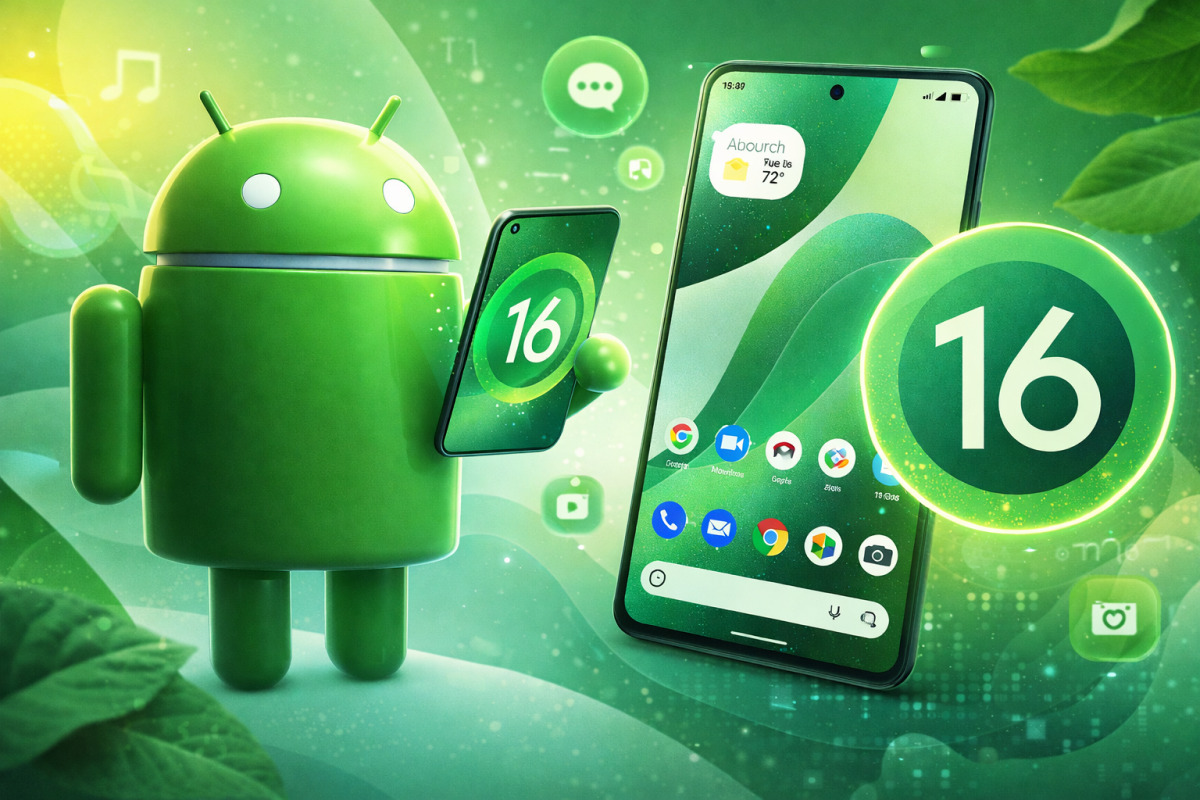
Android 16, internally codenamed Baklava, released on June 10, 2025 - unusually early for a major Android version. Google deliberately moved the release from its traditional Q3/Q4 slot to Q2, allowing more devices, including Samsung's Galaxy Z Fold 7 and Z Flip 7, to launch with Android 16 pre-installed rather than waiting months for an update. Nine months on, 18.9% of Android devices globally are running Android 16, making it the second-most used Android version. The update introduced Material 3 Expressive, a new desktop mode, a Linux Terminal, and the most significant notification overhaul in years.
The biggest visual change is Material 3 Expressive - Google's boldest design language since Material You in Android 12. It features richer animations, more vibrant use of colour, and blur effects applied more broadly across the OS. Material 3 Expressive didn't ship with the initial June release; it began rolling out to Pixel 6 and newer devices in September 2025 via a Quarterly Platform Release update. The result is an interface that feels significantly more dynamic and polished than Android 15, particularly on the large-screen form factors Android is increasingly designed around.
Live Updates and the New Notification System
The most practically useful addition is Live Updates - a new notification class for ongoing activities like ride-sharing, food delivery, and navigation. Using the new ProgressStyle template, apps can display a real-time progress indicator directly in the notification shade and on the lock screen, with milestones, current status, and estimated completion - without requiring the user to open the app. After nine months with Android 16, the Live Updates system has been adopted by most major delivery and navigation apps, and the improvement to how ongoing activities surface in notifications is genuinely meaningful for daily use.
Desktop Mode and Linux Terminal
Android 16 introduced desktop mode for tablets - a windowed, ChromeOS-style environment that arrived in the September 2025 Pixel Tablet update. Combined with the expanded Linux Terminal, which allows users to run a full Debian-based Linux virtual machine on supported devices, Android 16 takes the boldest steps yet toward making Android a credible computing platform rather than just a mobile OS. Google's announcement in July 2025 that it is merging ChromeOS with Android makes these additions more significant in retrospect - they are the early infrastructure of a unified platform.
Gemini Integration and Health Connect
Gemini's integration into Android 16 runs deeper than a sidebar assistant. With user permission, Gemini Nano - Google's on-device model - can observe context across apps, enabling queries like asking Gemini to find a file you described rather than named, or to draft a reply to a message without leaving the current app. Cloud-tier Gemini activates only on explicit request. On the developer side, Health Connect becomes a first-class API in Android 16, adding support for medical data in FHIR format - a significant step toward Android devices serving as a genuine health data hub, with apps able to read and write immunisation records, lab results, and medication data under explicit user consent.