
A Record-Breaking, and Worsening, Year
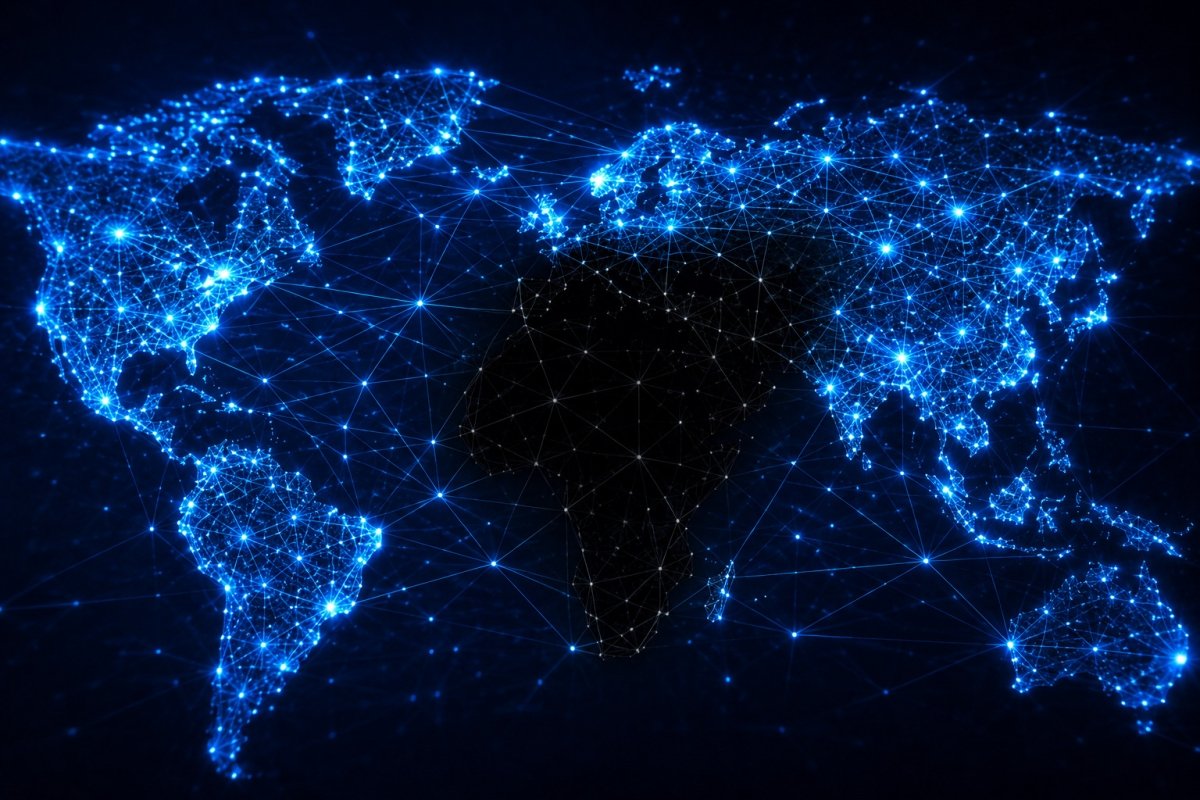
Digital rights researchers documented 313 internet shutdowns across 52 countries in 2025 - surpassing the previous records of 304 in 2024 and 289 in 2023, continuing a steady climb since 2020. Separately, the economic research firm Top10VPN estimated these shutdowns cost the global economy $19.7 billion in 2025 alone, with Russia, Venezuela, and Myanmar accounting for the largest individual losses. Measured differently, internet restrictions of various kinds - including long-term censorship regimes as well as acute shutdowns - affected an estimated 4.62 billion people at some point during the year, more than half the world's population.
What Actually Triggers a Shutdown
The most common trigger globally is political unrest - protests, contested elections, and civil disturbances account for more than half of newly recorded restrictions. But the range of stated justifications has expanded considerably. Shutdowns tied specifically to school examinations, intended to prevent cheating by cutting internet access during test periods, rose from just 17 cases in 2019 to 59 in 2025 - an unusual but genuinely documented category. Governments have also increasingly cited national security concerns during armed conflicts, and in several cases, shutdowns have coincided with documented human rights violations that authorities appeared to want hidden from outside observation.
The Shift Toward Harder-to-Detect Tactics
A blunt, total shutdown is now less common than more surgical approaches: blocking specific platforms like WhatsApp or Telegram while leaving general internet access intact, throttling connection speeds to the point of unusability without a formal "shutdown," or geographically targeting restrictions to specific regions experiencing unrest. Researchers describe this as "soft blocking" - a deliberate strategy that blurs the line between throttling and outright shutdown, making the restriction harder to measure, document, and legally challenge than a single dramatic blackout.
Governments Are Also Targeting the Workarounds
As citizens increasingly turn to VPNs and satellite internet services like Starlink to bypass restrictions, governments have responded by targeting those tools directly. Iran passed legislation in 2025 criminalising the import, sale, and use of unauthorised internet circumvention tools, with penalties including imprisonment. In Myanmar, authorities have gone further, physically confiscating satellite equipment and arresting local service providers - a sign that the cat-and-mouse dynamic between censorship and circumvention has escalated well beyond the purely digital.
The Human Cost Behind the Statistics
Behind the aggregate numbers are individual consequences that are easy to lose in the data: families unable to confirm whether loved ones are safe during a crisis, journalists unable to file reports on unfolding events, medical professionals cut off from coordination during emergencies, and businesses unable to process payments or communicate with customers, sometimes for weeks at a time in the most severe, sustained cases. International bodies have taken increasing notice - the International Criminal Court has begun formally recognising the link between internet shutdowns and crimes against humanity, treating information suppression during conflict as itself a component of broader human rights violations rather than a separate, lesser issue.
What Resistance Looks Like
Despite the escalation, digital rights researchers also point to growing pushback: Bangladesh has taken legislative steps toward outlawing shutdowns outright, the Freedom Online Coalition of 41 countries has issued formal statements opposing the normalisation of shutdowns during conflict, and mesh networking and offline-first communication tools have seen rising adoption in shutdown-prone regions as a practical, if imperfect, workaround. The trend line is still worsening more than it's improving, but the fact that shutdowns are now consistently tracked, documented, and legally challenged at all represents meaningful progress from a decade ago, when many of these incidents went almost entirely unrecorded.